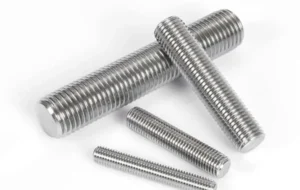
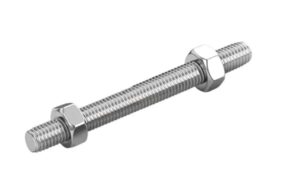
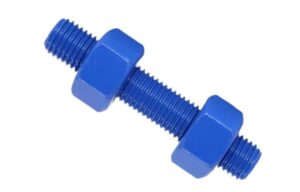
Неправильно подобранные болты могут остановить проект по установке фланца быстрее, чем многие думают. Сначала разница в цене между двумя поставщиками может показаться незначительной. Но позже гайка может не подойти, покрытие может оказаться слишком толстым, резьба может выйти из строя, или инспектор может отклонить акт приемки материала. Именно тогда «дешевый болт» превращается в очень дорогостоящую проблему.
Я Моника Сонг из Шанхайская компания Hengrui Industry Co., Ltd.В нашей повседневной работе по экспорту крепежных изделий болты-шпильки ASTM A193 B7 являются одним из наиболее распространенных продуктов для проектов, связанных с фланцами, клапанами, трубопроводами и оборудованием, работающим под давлением. Это руководство призвано помочь покупателям понять, что следует спрашивать, что проверять и как избежать распространенных ошибок при покупке болтов-шпилек B7 из Китая. Для получения полной информации о подборе болтов и гаек ознакомьтесь с нашим руководством по... Шпильки ASTM A193 с гайками ASTM A194.
Что такое ASTM A193 B7?
ASTM A193 — это стандарт на материалы для болтов из легированной и нержавеющей стали, используемых в условиях высоких температур или высокого давления. B7 — это один из классов стали, соответствующих ASTM A193, поэтому полное название — ASTM A193 класс B7На рынке крепежных изделий покупатели могут также называть его так. болт A193 B7Это может быть болт B7, резьбовая шпилька B7, болт с полной резьбой B7 или болт ASTM B7. Чаще всего под этим подразумевается закаленный и отпущенный болт из легированной стали, обычно поставляемый с двумя массивными шестигранными гайками.
Шпильки B7 широко используются во фланцевых соединениях, клапанах, трубопроводах, на нефтеперерабатывающих заводах, в сосудах под давлением и промышленном оборудовании. Это не обычные резьбовые стержни. Это детали, требующие контролируемого качества болтового соединения, используемые там, где важны давление, температура, прочность и безопасность. Проще говоря, B7 — это не просто резьбовой стержень, а болтовое соединение, качество которого контролируется маркой материала, термообработкой, механическими свойствами, точностью резьбы, соответствием гайки, маркировкой и документацией на материалы.
B7 — это стандарт или класс?
Это распространенный вопрос от покупателей, особенно от новых покупателей. нефтегазовыймеханическое оборудование и промышленное оборудование. ASTM A193 — это стандарт, и оценка B7. Если в запросе указать только «болт B7», большинство поставщиков поймут общий смысл, но этого все равно недостаточно для четкого ценового предложения.
Более подробный запрос должен включать в себя стандарт, марку, размер, резьбу, длину, требования к гайке, обработку поверхности, количество, упаковку и необходимые документы. Например:
Шпильки ASTM A193 Grade B7, с полной резьбой, с шестигранными гайками ASTM A194 Grade 2H, гладкая поверхность, требуется MTR.
В этом документе указывается поставщику, какой марки материал вам нужен, какие гайки должны соответствовать, какое качество обработки поверхности вы хотите и требуются ли документы об испытаниях. При закупке крепежных изделий даже небольшие недостающие детали могут создать большие проблемы. Неправильная гайка, неправильная резьба, неправильное покрытие или отсутствие MTR могут задержать весь проект.
Материальные и механические свойства по стандарту ASTM A193 B7
Сталь ASTM A193 B7 обычно изготавливается из хромомолибденовой легированной стали. Распространенные типы материалов включают AISI 4140 или AISI 4142. Материал подвергается закалке и отпуску для достижения высокой прочности и лучшей ударной вязкости. Сталь B7 популярна благодаря хорошему балансу прочности, доступности и стоимости. Она прочнее обычных резьбовых стержней из низкоуглеродистой стали и подходит для многих применений в области болтовых соединений под высоким давлением и при высоких температурах.
Ниже приведена простая справочная таблица для покупателей. Фактические требования всегда должны соответствовать последнему стандарту ASTM и спецификации вашего проекта. Для размеров до 2-1/2 дюймов часто указывается класс B7 с минимальным пределом прочности на растяжение около 125 ksi и минимальным пределом текучести около 105 ksi. Для больших размеров могут быть другие механические требования, поэтому, пожалуйста, не копируйте одно значение прочности для всех размеров.
| Параметр | Общая информация для ASTM A193 B7 |
|---|---|
| Стандарт | АСТМ А193/А193М |
| Класс | B7 |
| Общий материал | Легированная сталь AISI 4140 / 4142 |
| Термическая обработка | Закаленный и отпущенный |
| Стандартная форма продукта | Шпильки, резьбовые стержни, болты |
| Обычные подходящие гайки | Шестигранная гайка ASTM A194 класса 2H, усиленная. |
| Общая тема | Резьба UNC, UNF или метрическая в зависимости от заказа. |
| Общая отделка | Обычный, черный, оцинкованный, горячее цинкование, с покрытием из ПТФЭ. |
| Типичное использование | болты высокого давления и высокой температуры |
| Документы | MTR, протокол осмотра, инспекция сторонней организацией (при необходимости). |
В процессе контроля качества мы проверяем не только внешний вид. Мы также проверяем материал, резьбу, твердость, маркировку, гайку, состояние поверхности, упаковку и наличие документации. Для проектов, работающих под давлением, документация является неотъемлемой частью продукта. Шпилька без надлежащей документации может выглядеть нормально, но все равно не пройти проверку качества. Еще один момент: сталь B7 не является нержавеющей сталью. Обычная сталь B7 может ржаветь, если ее хранить во влажном складе или использовать на открытом воздухе без защиты.
Где используются болты B7?
Шпильки ASTM A193 B7 широко используются в промышленной болтовой фиксации, особенно в фланцевых и гидравлических соединениях оборудования. Типичные области применения включают нефтегазопроводы, нефтеперерабатывающие заводы, нефтехимические предприятия, электростанции, сосуды под давлением, теплообменники, клапаны, насосы, компрессоры и фланцы труб из углеродистой стали.
| Область применения | Общего пользования |
|---|---|
| Нефть и Газ | Фланец трубопровода, клапан, оборудование, работающее под давлением |
| Нефтехимические заводы | теплообменник, сосуд, насос, компрессор |
| Электростанции | Паровая система, высокотемпературное оборудование |
| Механическое оборудование | Подключение и техническое обслуживание тяжелой техники. |
| Клапаны и насосы | Фланцевое соединение и соединение корпуса |
| Сосуды под давлением | болтовое соединение высокого давления |
| Промышленные трубопроводные системы | Фланцевое соединение из углеродистой стали |
In many flange joints, the stud bolt passes through two flange holes, and heavy hex nuts are tightened from both sides. This design gives strong clamping force and makes installation and maintenance easier. For ASME flange systems, the correct stud bolt size and length depend on flange size, pressure class, facing type, and gasket type. For flange applications, you can also read our guide on how to choose stud bolts for flange connections.
Мой совет прост: не гадайте о длине. Если вы не уверены, отправьте поставщику информацию о стандарте фланца, размере фланца, классе давления и типе прокладки. Например, «ASME B16.5, 4 дюйма, класс 300, фланец RF, спирально-навитая прокладка» гораздо понятнее, чем просто «болт для фланца 4 дюйма». Слишком короткий болт может не обеспечить достаточного зацепления гайки. Слишком длинный болт может привести к неоправданным затратам и проблемам при монтаже.
Шпильки B7 против обычных резьбовых стержней
Многие покупатели спрашивают меня, можно ли заменить болты B7 обычными резьбовыми стержнями. Мой ответ: для легких нагрузок – возможно; для работы с фланцами под давлением – обычно нет. Обычный резьбовой стержень может быть изготовлен из низкоуглеродистой стали. Он может не иметь контролируемого химического состава, термообработки, требуемой прочности на растяжение, контроля твердости или протокола испытаний материала. Он может подойти для простых кронштейнов, полок или некритичных крепежных работ, но это не лучший выбор для систем под давлением.
Шпилька B7 отличается от обычных. Она изготавливается в соответствии со специальным стандартом ASTM, с контролируемыми механическими свойствами и термообработкой. Также может поставляться с указанием номера партии и протоколами испытаний материала. Цена обычной резьбовой шпильки ниже, но и риск выше в ответственных областях применения. Если болт используется в системе под давлением, не следует ориентироваться только на цену. Выбирайте по стандарту, классу, соответствующей гайке, обработке поверхности и документации.
| Параметр | Болт-шпилька ASTM A193 B7 | Обычный резьбовой стержень |
|---|---|---|
| Материал управления | Да, регулируется стандартом. | Часто это общий материал. |
| Термическая обработка | Закаленный и отпущенный | Обычно не требуется |
| Требования к прочности | Определено стандартом ASTM A193 | Зависит от поставщика или сорта. |
| MTR | Доступен и часто необходим | Часто недоступно |
| Общего пользования | Фланец, клапан, оборудование, работающее под давлением | Крепление осветительных приборов и общее применение |
| Подбор орехов | Обычно ASTM A194 2H | Обычные орехи |
| Принятие проекта | Подходит для конкретных промышленных проектов. | Может быть отклонен в проектах, находящихся под давлением. |
| Стоимость | Высокая | Низкая |
| Риски при работе под давлением | Ниже при условии правильной поставки. | Высокий |
Какие гайки подходят к болтам B7?
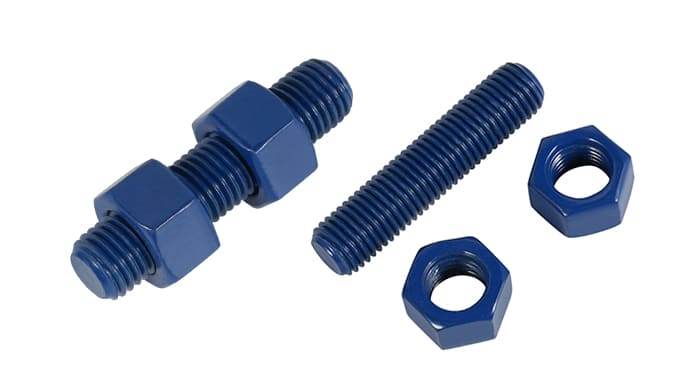
Наиболее распространенная гайка, используемая с болтами ASTM A193 B7, — это Шестигранная гайка ASTM A194 класса 2H, усиленная.Такое сочетание очень распространено при болтовом соединении фланцев: шпилька ASTM A193 B7 + шестигранные гайки ASTM A194 2H. Обычно одна шпилька поставляется с двумя гайками, поскольку шпилька проходит через отверстия фланца, и с каждой стороны затягивается одна гайка.
Обычно для болтов фланца B7 не рекомендуется использовать обычную шестигранную гайку. Шпильки B7 прочные, поэтому гайка также должна соответствовать их прочности и условиям эксплуатации. Если гайка слишком слабая, она может сорваться до того, как шпилька достигнет необходимого предварительного натяжения. Окончательный выбор гайки всегда должен соответствовать проектным спецификациям и согласованию с инженером.
| Класс прочности шпилек | Обычные подходящие гайки | Общего пользования |
|---|---|---|
| АСТМ А193 В7 | Шестигранная гайка ASTM A194 2H | Болты фланцев высокого давления и высокой температуры |
| АСТМ А193 Б7М | Шестигранная гайка ASTM A194 2HM | Применение, требующее меньшей твердости |
| АСТМ А193 В8 | Гайка ASTM A194, класс прочности 8. | болты из нержавеющей стали |
| АСТМ А193 Б8М | Гайка ASTM A194 класса 8M | Болты из нержавеющей стали с молибденом |
Почему гайки ASTM A194 2H так распространены?
ASTM A194 Гайки класса 2H предназначены для работы при высоком давлении или высокой температуре. Это распространенный класс тяжелых шестигранных гаек, используемых с болтами ASTM A193 B7. Гайки 2H популярны благодаря своей прочности, доступности и применению во многих промышленных проектах. Для многих покупателей болты B7 с тяжелыми шестигранными гайками 2H являются стандартным сочетанием для фланцевых соединений из углеродистой стали.
Однако подбор гайки зависит не только от марки стали. Очень важна также точность резьбы, особенно после обработки поверхности. Горячее цинкование толще, чем цинковое покрытие, поэтому резьба гайки должна иметь соответствующий припуск. Толщина покрытия из ПТФЭ также требует контроля. Если покрытие слишком толстое или неравномерное, гайка может заклинить во время установки.
Это одна из самых распространенных проблем, с которыми мы сталкиваемся при заказе болтов с покрытием. Болт может быть правильным. Гайка тоже может быть правильной. Но после нанесения покрытия сборка может быть не совсем гладкой. Именно поэтому мы предпочитаем проверять сборку гайки после нанесения покрытия, а не только до него. На мой взгляд, это одна из деталей, которая отличает серьезный заказ. поставщик крепежа от простого торговца.
Подходят ли шпильки B7 для использования в нефтегазовой отрасли?
Да, болты ASTM A193 B7 широко используются в нефтегазовых проектах. Они часто применяются для фланцев из углеродистой стали, клапанов, соединений трубопроводов, сосудов под давлением и оборудования нефтеперерабатывающих заводов. Но нефтегазовая отрасль — это широкая сфера. Условия эксплуатации в чистых средах отличаются от условий эксплуатации в кислых средах. Условия эксплуатации на суше отличаются от условий эксплуатации на море. Условия эксплуатации при высоких температурах отличаются от условий эксплуатации при низких температурах. Условия хранения в чистых средах отличаются от условий хранения в прибрежных водах.
Поэтому более уместный вопрос звучит не только так: «Можно ли использовать B7 в нефтегазовой отрасли?», а так: «Какова температура, давление, среда, условия коррозии и технические характеристики проекта?» Иногда подходит B7. Иногда лучше использовать B7M, L7, B8, B8M или другой марки стали.
| Рабочее Состояние | Возможный вариант крепления болтами |
|---|---|
| Общее применение в условиях высокого давления/высокой температуры | АСТМ А193 В7 |
| Более низкие требования к твердости | АСТМ А193 Б7М |
| Низкотемпературная эксплуатация | ASTM A320 L7 или класс, указанный в проекте |
| Требования к нержавеющей стали | ASTM A193 B8 / B8M |
| Сильная коррозионная среда | Может потребоваться покрытие или нержавеющая сталь. |
| Сероводород / H2S | Необходимо следовать проектной документации и техническим требованиям инженера. |
Покупателям из нефтегазовой отрасли я настоятельно рекомендую отправлять спецификацию проекта вместе с запросом коммерческого предложения. Если требуется использование в условиях воздействия H2S, соответствия стандартам NACE, применения на морских платформах, очень низких температур или специального покрытия, сообщите об этом поставщику в самом начале. Не ждите завершения производства. Поставщики крепежных изделий не любят сюрпризов. Инженеры-проектировщики не любят сюрпризов. Инспекторы действительно не любят сюрпризов.
Распространенные методы обработки поверхностей и как их выбрать?
Шпильки ASTM A193 B7 могут поставляться с различными вариантами обработки поверхности. К распространенным вариантам относятся: обычное покрытие, черное оксидирование, цинкование, горячее цинкование, механическое цинкование, фосфатирование, покрытие ПТФЭ, Geomet, Dacromet, Zn-Ni, никелирование и покрытие по заказу клиента. Обработка поверхности влияет не только на цвет. Она влияет на коррозионную стойкость, посадку резьбы, сборку гайки, крутящий момент, уплотнение и хранение.
| Обработка поверхности | Главное преимущество | На что обратить внимание |
|---|---|---|
| одноцветный | Экономичный, простой в осмотре. | Низкая устойчивость к коррозии |
| Черная окись | Чистый темный вид | Ограниченная защита от коррозии |
| Оцинкованная | Базовая защита от коррозии, блестящая поверхность | Не подходит для суровых условий |
| Горячее цинкование | Улучшенная защита от коррозии | Толстое покрытие, необходим запас по весу гайки. |
| Покрытие PTFE | Коррозионная стойкость и низкое трение | Контроль толщины покрытия и крутящего момента |
| Геомет / Дакромет | Хорошие коррозионные характеристики | Возможно, потребуется утверждение проекта. |
| Zn-Ni | Обладает лучшей коррозионной стойкостью, чем обычный цинк. | Более высокая стоимость |
| Фосфат | Подходит для некоторых деталей, покрытых маслом. | Требуется защита при хранении. |
Для хранения в помещении и кратковременного использования может быть достаточно обычной отделки. Для наружных или влажных помещений лучше подойдут цинковое покрытие, горячее цинкование или другие виды покрытий. Для некоторых фланцевых систем популярно покрытие из ПТФЭ, поскольку оно помогает снизить трение и улучшить защиту от коррозии.
Как заказать шпильки B7 из Китая?
Четко сформулированный запрос на коммерческое предложение (RFQ) помогает получить более быструю и точную цену. Если запрос нечеткий, поставщику придется гадать, а гадание — неэффективный метод закупок.
Хороший запрос коммерческого предложения может выглядеть следующим образом:
Шпильки ASTM A193 B7, 1”-8UN x 7”, с двумя шестигранными гайками ASTM A194 2H, без покрытия, 2,000 комплектов, требуется MTR, упакованы в картонные коробки и деревянные поддоны, доставка в Ванкувер.
Этот запрос понятен и позволяет легко составить ценовое предложение. Он также помогает поставщику проверить стоимость, сроки производства, вес упаковки и детали доставки. Если у вас есть чертеж, пришлите его. Если у вас есть техническое задание, пришлите его. Если у вас есть только информация о фланце, пришлите стандарт фланца, размер, класс давления и тип прокладки. Ответственный поставщик должен помочь вам проверить важные детали до начала производства.
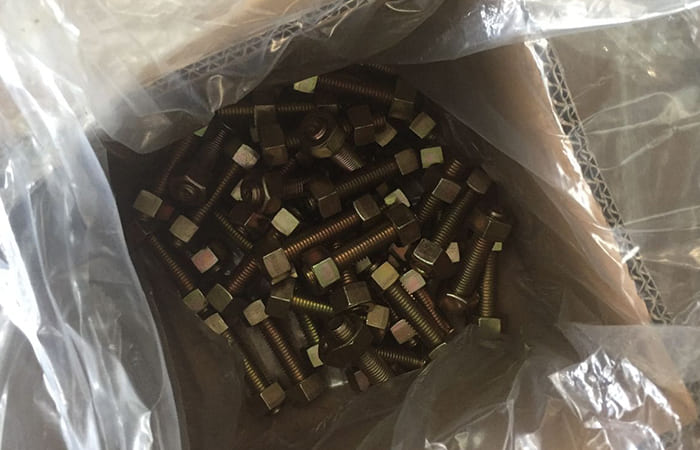
Распространенные ошибки при покупке, которые мы наблюдаем
После обработки множества запросов по крепежным изделиям могу сказать, что большинство проблем при закупке крепежа B7 возникают не из-за самого слова «B7». Они связаны с отсутствием информации. Первая распространенная ошибка — использование обычных гаек со шпильками B7. Вторая ошибка — игнорирование толщины покрытия, особенно у болтов с горячим цинкованием и покрытием из ПТФЭ. Третья ошибка — заказ только по размеру фланца без подтверждения стандарта фланца, класса давления, типа облицовки и типа прокладки.
Ещё одна распространённая ошибка — отсутствие документации. Для проектов, требующих высокого давления, протокол испытаний материала — это не украшение, а часть продукта. Без него товар может быть забракован, даже если его размеры и поверхность выглядят хорошо. Я также вижу, как покупатели выбирают только по цене за единицу. Я понимаю ценовое давление, особенно со стороны дистрибьюторов и заказчиков проектов, но для болтов B7 самое дешёвое предложение может не включать в себя правильный материал, подходящие гайки, необходимую документацию или надёжную упаковку.
Мой практический совет прост: сравнивайте весь ассортимент, а не только цену за единицу. Проверяйте одновременно сорт, тип гайки, покрытие, MTR, упаковку, сроки доставки и опыт поставщика. Это действительно помогает снизить риски при закупках.
Часто задаваемые вопросы о шпильках ASTM A193 B7
Что означает ASTM A193 B7?
ASTM A193 — это стандарт на материалы, а B7 — это один из марок легированной стали, соответствующих этому стандарту. Шпильки из стали B7 обычно закаливаются и отпускаются для использования в системах высокого давления и высоких температур.
Какие гайки следует использовать с болтами-шпильками ASTM A193 B7?
Наиболее распространенными подходящими гайками являются шестигранные гайки ASTM A194 класса 2H. Один болт B7 обычно поставляется с двумя гайками 2H для фланцевого крепления.
Шпильки B7 — это то же самое, что и обычные резьбовые стержни?
Нет. Обычные резьбовые стержни могут не иметь контролируемых свойств материала, термообработки, прочности или MTR. Шпильки B7 изготавливаются в соответствии со стандартом ASTM A193 Grade B7 и используются в более ответственных промышленных областях.
Какую информацию мне следует предоставить при заказе шпилек B7?
Пожалуйста, укажите стандарт, марку, диаметр, длину, резьбу, требования к гайке, обработку поверхности, количество, упаковку, необходимые документы и порт назначения. По возможности, пришлите чертеж или спецификацию фланца.
Нужны болты ASTM A193 B7 из Китая?
Если вам нужны болты-шпильки ASTM A193 B7 с усиленными шестигранными гайками ASTM A194 2H, Свяжитесь с нами и пришлите нам ваши требования. Если вы не уверены в размере, пришлите нам информацию о фланце или чертеж. Мы поможем вам проверить детали перед составлением коммерческого предложения.
Шпильки B7 — это не какие-то изысканные крепежные элементы, но они выполняют серьезную работу. Они выдерживают давление, температуру и сроки выполнения проектов. Если их поставляют правильно, никто о них не говорит. Если же поставляют неправильно, о них говорят все.