
When you’re dealing with a project that requires high load distribution or protection for softer materials, extra large flat washers are an essential component. These washers have a much larger outer diameter (OD) than standard washers, making them perfect for applications that need to spread out clamping force and prevent damage to the materials underneath. Whether you’re working with wood, plastics, sheet metal, or any other material that could be at risk of damage under pressure, extra large flat washers are an easy solution to ensure your bolted connections remain secure and stable.
What Are Extra Large Flat Washers or Penny Washers?
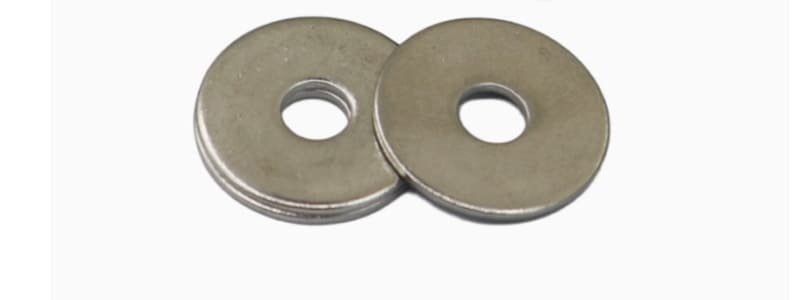
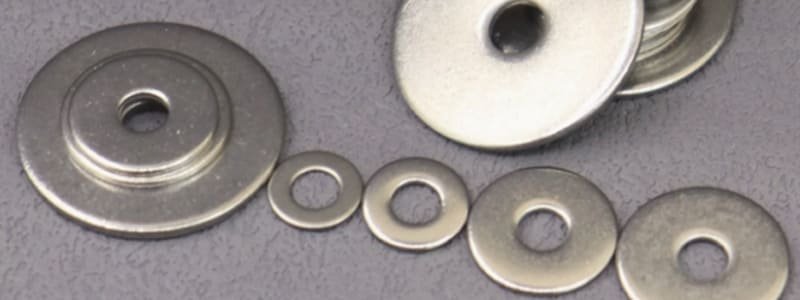
Extra large flat washers are also known as as fender washers, extra-wide washers, penny washers, Repair Washer, or Mudguard Washer. They are a type of flat washer with an outer diameter significantly larger than the inner hole, designed to cover a wider surface area.
What is the Difference Between a Penny Washer and a Plain Washer?
While both penny washers and plain washers are flat washers, the key difference between the two is the outer diameter (OD). A penny washer is essentially a flat washer, but with a much larger OD relative to the inner hole. This large OD significantly increases the bearing surface, which helps distribute load over a much wider area.
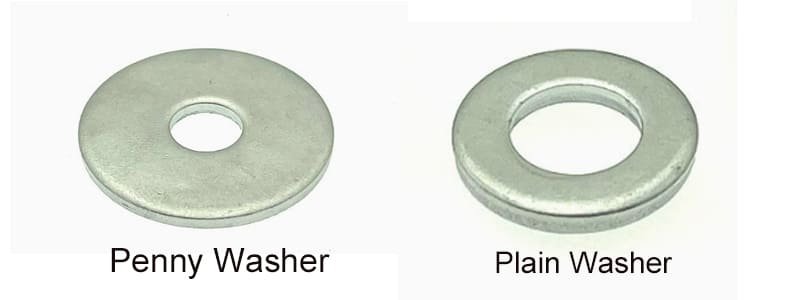
A plain washer (also called a flat washer) has a standard outer diameter that is relative to its bolt size. It is mainly used to spread the load of a fastener and protect the surface it is installed on. The washer helps prevent the fastener from damaging soft materials like wood, sheet metal, or plastic by distributing the force over a larger area.
In contrast, a penny washer has an outer diameter that is typically 2–3 times larger than that of a regular plain washer for the same bolt size. This extra size allows penny washers to cover larger or damaged holes, prevent the fastener from pulling through, and provide more load distribution.
Why Use Extra Large Flat Washers?
Load Distribution & Surface Protection
One of the main reasons to use extra large flat washers is their ability to distribute clamping force over a larger area. This reduces the likelihood of damaging soft materials like wood, sheet metal, plastics, or composite materials. The increased surface area spreads out the pressure applied by the fastener, ensuring it doesn’t cause crushing or indentation.
Covering Oversized / Irregular Holes
If you have damaged, slotted, or oversized holes, extra large flat washers are perfect for bridging these gaps. The washer’s larger surface area restores a full bearing surface for the fastener, improving the appearance and integrity of the joint.
Vibration Damping and Wear Reduction
Extra large flat washers are also useful in applications where vibration and movement are concerns. By covering a larger area, they help absorb some of the vibrations, reducing wear and tear on both the fastener and the material over time. This is particularly useful in vibrating equipment like automotive or industrial machinery.
Spacing / Shimming
When using thicker or wider washers, they can also act as simple spacers or levelers. For example, in construction or machinery, these washers help align components that need to be spaced apart for function or fit.
What are Penny Washers Used For?
Extra large flat washers are used across a variety of industries and applications. Here are some of the most common uses:
Automotive Bodywork and Panel Mounting
In the automotive industry, fender washers (a type of extra large flat washer) are often used for panel mounting and securing bodywork. They help spread the load and prevent damage to the sheet metal during assembly.
HVAC Brackets, Ductwork, and Appliance Installations
For installations of HVAC brackets, ductwork, and appliances, penny washers are used to secure bolts without damaging the underlying materials. These washers ensure even load distribution and stability for various structural elements in these systems.
Woodworking, Cabinetry, Fixtures, and Furniture
In woodworking and furniture construction, these washers are used to prevent bolt pull-through when working with softwoods or thin plywood. The larger surface area ensures the wood remains intact under tension and prevents damage to delicate materials.
Sheet Metal, Plastics, Laminates, and Composite Panels
In industries like sheet metal work or plastics, extra large washers help distribute pressure over a larger area to prevent the material from being crushed by the fastener. These washers are essential when working with thin metals or composites where material integrity is a concern.
Repairs for Damaged or Enlarged Holes
If you’re dealing with worn-out or enlarged holes in any material, repair washers are a quick fix. They can bridge the gap and restore full surface contact, allowing the fastener to hold securely without causing further damage to the material.
Light Structural and General Construction
In light structural construction, extra large flat washers are often used to prevent bolt pull-through in thin sections of material. For example, in roofing, bridges, or wooden frames, these washers help secure the joint and prevent fasteners from damaging the material.
Materials and Finishes for Penny Washers
When selecting extra large flat washers, it’s important to choose the right material and finish based on the environment in which they’ll be used. Here are some common material options:
Common Materials
- Zinc-Plated Carbon Steel Penny Washers: This is the most common and economical material for washers, suitable for dry indoor or light-duty applications.
- 304 / 18-8 Stainless Steel Penny Washers: These washers are commonly used for general-purpose corrosion resistance in indoor and light outdoor environments.
- 316 Stainless Steel Penny Washers: For environments exposed to high corrosion, like marine, coastal, or chemical exposure, 316 stainless steel washers provide the best protection.
- Plain or Extra-Thick Carbon Steel Penny Washers: For heavy-duty applications, these washers are designed to handle high loads and provide greater rigidity.
Finishes
- Plain or Uncoated: Used in environments where corrosion is not a primary concern.
- Zinc Plating: Common for providing basic corrosion protection in indoor or light-duty outdoor use.
- Hot-Dip Galvanized: For applications that need stronger corrosion resistance, hot-dip galvanized washers are ideal.
- Black Oxide: Often used for aesthetic purposes or mild corrosion resistance, especially for non-reflective finishes.
How to Choose the Right Extra Large Flat Washer?
Choosing the right extra large flat washer is crucial for ensuring long-term performance. Here are some key factors to consider:
Match the Inner Diameter (ID)
The inner diameter (ID) of the washer should match the bolt or screw shank so it fits properly without too much play. If the washer is too large, it could affect the alignment and performance of the fastener.
Choose an Appropriate Outer Diameter (OD)
The outer diameter (OD) is the key to distributing the load. The larger the OD, the more pressure the washer can spread over a wider area. This is especially important when working with thin materials or when you need to cover damaged holes. However, make sure the OD doesn’t interfere with surrounding components like flanges, channels, or edges.
Thickness and Strength
Thicker washers are more rigid and offer greater load-bearing capacity, making them ideal for heavy-duty applications. However, they may require longer bolts to fit properly. For high load applications, selecting a washer with the right thickness is crucial for preventing deformation.
Material vs. Environment
Choose a washer material based on the environment:
- Dry indoor environments: Zinc-plated steel is usually sufficient.
- General outdoor environments: 304/18-8 stainless steel is a solid option.
- Marine or chemical environments: 316 stainless steel is the best choice for corrosion resistance.
Contact Hengrui Fastener for Custom Penny Washer
Extra large flat washers are an indispensable component in many heavy-duty applications. Whether you’re protecting softer materials, ensuring stable fastening under pressure, or covering oversized holes, these washers provide a simple yet effective solution. Understanding how to choose the right washer based on size, material, finish, and environment is essential for achieving the best performance and longevity in your projects.
If you need assistance selecting the appropriate extra large flat washers for your project, feel free to reach out to us. We can guide you through material choices, sizing, and more.