
I’ve worked in the fastener industry for over 15 years. I’ve seen many bolts fail because of shear — often at the worst time. But the good news? Most shear failures can be prevented. If you follow a few simple rules, you can protect your machines, projects, and people.
To prevent shearing bolts, use the correct bolt grade, avoid overloading, follow torque guidelines, design proper joints, control vibration, choose quality materials, and protect bolts from corrosion. Each step helps reduce stress on the bolt and improves safety.
Here are 7 easy ways I use to help my clients stop shear failures — in real factories and real projects.
If you want to learn to “What does shear failure mean?”, check this guide::
???? What Is Shear Failure in Bolts?
1. Choose the Right Bolt Grade
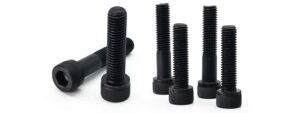
Not all bolts are strong enough for shear loads. Always use bolts with proper strength levels, like Grade 8.8, 10.9, or 12.9 for high-load projects. For example, Grade 4.8 bolts are not suitable for machines with shock or side force. Ask your supplier for the mechanical properties, and match the bolt to the job.
2. Never Overload the Bolt
Before choosing a bolt, calculate the shear force in your design. If the force is close to the bolt’s limit, upgrade the bolt size or grade. Add a safety margin of 20–30%. It’s cheaper to buy stronger bolts than to fix a broken machine or injured worker.
3. Control the Torque During Installation
Too much torque can damage the bolt before it even starts working. This can lead to early shear failure. Use a torque wrench and follow the recommended torque value based on the bolt size and grade. Don’t guess. Train your team to install bolts the right way.
4. Design for Double Shear When Possible
A bolt placed in a double shear joint is much stronger than one in a single shear joint. Double shear spreads the force across two sides of the bolt instead of one. If your design allows, always choose double shear to reduce bolt stress and increase safety.
5. Reduce Vibration and Cyclic Loads
If your machine vibrates or moves often, bolts can fail due to fatigue, which weakens them for shear loads. Use lock washers, nylon lock nuts, or spring washers to keep bolts tight. Also, plan for regular maintenance and inspection of critical bolts.
6. Use Only Certified and High-Quality Bolts
Don’t buy cheap, low-quality bolts for heavy-duty use. Poor materials, wrong dimensions, and bad heat treatment all increase the risk of shearing. Ask for material test reports (MTR), ISO certificates, and inspection data. Only buy from trusted factories or verified suppliers.
7. Protect Bolts from Corrosion
Corrosion weakens the bolt, making it easier to break under shear. Use the right coating for your environment: hot-dip galvanizing, Dacromet, or zinc-aluminum flake. For coastal, wet, or chemical areas, consider stainless steel bolts or custom coatings.
Conclusion
Shear failure is serious, but it’s not a mystery. With the right bolt, good design, careful installation, and quality control, you can stop shear before it starts. I help buyers around the world choose bolts that fit their project — and I’m happy to help you too.
FAQ – Preventing Shear Failure
Q: What is the best bolt for high shear loads?
Use Grade 10.9 or 12.9 bolts for high-strength needs. Always check the datasheet for shear strength values.
Q: Can I prevent shear failure just by tightening more?
No. Too much torque can damage the bolt. Always follow the correct torque value to avoid hidden cracks.
Q: Is stainless steel strong in shear?
Some types are good, like A4-80, but carbon alloy bolts like Grade 10.9 may be stronger in pure shear.
Q: Should I replace bolts after some time?
Yes. If your equipment moves a lot or vibrates, change bolts after 1–2 years as part of preventive maintenance.