
Choosing the right bolt for your project can be tricky, especially when it comes to deciding between fully threaded and partially threaded fasteners. Do you need maximum grip strength, or is precise alignment and shear resistance more important? Let’s break it down and explore when each type is the better fit.
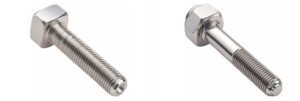
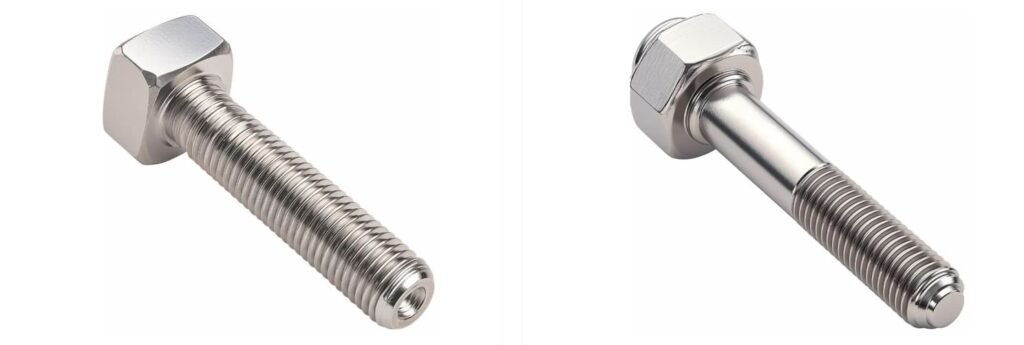
Fully threaded bolts and screws have threads running along the entire length of the shank, while partially threaded bolts have a smooth, called the shank, unthreaded section under the head and threads only on the rest of the shank.
Now, let’s dive deeper into the specifics and answer the main questions.
What Are Fully Threaded Bolts and Screws?
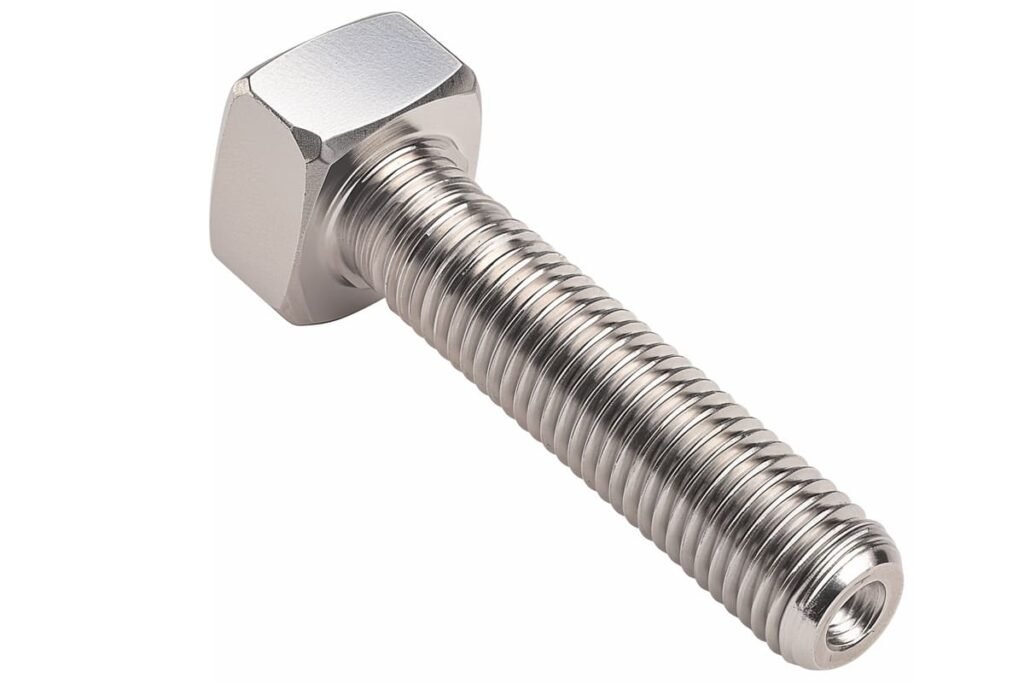
Fully threaded bolts and screws have threads running from just under the head all the way to the tip, without any smooth or unthreaded portion on the shaft. This design is ideal for situations where maximum grip into the material is needed because the holding force is distributed evenly along the entire length of the threaded portion.
Fully threaded fasteners are commonly used when you need to secure materials with consistent clamping force throughout. For example, in applications where you’re fastening thin parts or stacked materials, the full thread provides even tension across the bolt. This is useful in situations where alignment and shear strength are less important than resistance to pull-out force. Think about applications like fixing into pre-threaded holes or securing metal-to-metal connections.
What Are Partially Threaded (Half Thread) Bolts and Screws?
In contrast, partially threaded bolts and screws have a smooth, unthreaded portion (the shank) near the head, with the remaining part of the shaft covered in threads. This smooth section serves an important purpose. It allows the top piece being clamped to slide tightly against the underside of the head, while the threads bite into the material below. This provides a strong, secure clamping action.
Partially threaded bolts are typically preferred for applications where alignment and shear strength are crucial. For example, in structural joints, motor mounts, or brackets, the unthreaded shank carries the shear load, ensuring that the parts stay aligned while the threads hold the materials together. This design is perfect when you need to clamp two parts and ensure the joint doesn’t experience excessive sideways forces.

When to Choose and Use Fully Threaded Bolts and Screws?
Fully threaded bolts are your go-to option in several scenarios:
- Maximum tensile grip: If your project requires the bolt to hold parts together in tension (pulling force), the full-length threads distribute the load evenly, making them ideal for applications like fastening thin plates or brackets.
- Thin or variable material thickness: If the parts you’re fastening are thin or have varying thicknesses (due to adjustments, shimming, or different stack-ups), fully threaded bolts ensure that threads will always engage where the nut sits, without the unthreaded shank getting in the way.
- Tapped holes or through-bolting: If you’re fastening into a tapped hole or using nuts where the clamping thickness is small, fully threaded bolts ensure maximum engagement in the threaded section and give you more flexibility with bolt length.
- No critical alignment or shear load: Fully threaded bolts are also suitable when alignment and shear strength aren’t as important. They work well in joints that are not subjected to significant sideways forces, and they’re easy to adjust in length or nut positions as needed.
When to Choose and Use Partially Threaded Bolts and Screws?
Partially threaded bolts are ideal when:
- Shear resistance and alignment: The smooth shank carries shear forces effectively, making them great for applications like structural joints or motor mounts. They also keep parts aligned and prevent them from shifting during installation.
- Preventing thread damage: The unthreaded portion of the bolt can help protect the parts being fastened from thread damage, especially when parts are sensitive or when precise alignment is essential.
- Multiple parts being clamped: Partially threaded bolts are also used when you’re clamping two or more parts together and want the unthreaded section to act as a pin for alignment. This ensures that the parts are positioned accurately and that the joint can handle shear forces effectively.
The Difference Between Fully Thread and Partial Thread Bolts and Screws
The main difference between fully threaded and partially threaded bolts lies in how the threading is distributed along the shaft. A fully threaded bolt offers continuous engagement with the material, whereas a partially threaded one has a portion of the bolt that is free of threads.
This difference significantly impacts their use. Fully threaded bolts excel in providing consistent holding strength, making them ideal for applications requiring high tension resistance. In contrast, partially threaded bolts are engineered for applications that require shear strength or where alignment of parts is necessary.
Another key difference is in cost. Generally, partially threaded bolts can be cheaper to produce because they use less material for threading. This can make them an attractive option when you’re looking to save on costs without sacrificing performance.
How to Choose Between Full Thread and Partial Thread Bolts and Screws?
Making the right choice depends on the specific requirements of your application. Here’s a simple guide:
Choose fully threaded bolts when:
- You need maximum tensile (pull-out) strength in the joint.
- You’re fastening into a tapped hole or using nuts, and the clamping thickness is small.
- Alignment and shear forces are not critical.
- The material stack is thin or may vary in thickness, requiring full engagement of threads.
Choose partially threaded bolts when:
- You need the unthreaded shank to carry shear forces or align parts accurately.
- The joint will experience significant shear across the bolt (not just tension along its length).
- You’re clamping multiple parts and need the smooth section to act as a pin for alignment.
Frequently Asked Questions (FAQ)
1. Can I use a fully threaded bolt for a shear application?
- While fully threaded bolts are excellent for tension-based applications, they aren’t typically the best choice for shear. For shear resistance, a partially threaded bolt might be a better fit.
2. Are partially threaded bolts weaker than fully threaded bolts?
- Not necessarily. Partially threaded bolts are designed to resist shear and provide alignment, making them ideal for specific tasks. They are not weaker, just different in terms of function.
3. How do I know which type of bolt to choose for my project?
- Think about the forces your bolt will experience. If you need more holding power, go for fully threaded bolts. If you need alignment and shear resistance, choose partially threaded bolts.
4. Are fully threaded bolts more expensive than partially threaded ones?
- Typically, fully threaded bolts can be more expensive due to the full threading, but their versatility and higher tensile strength make them worth the investment in many applications.
Contact Hengrui Fastener for Custom Fully Thread and Partially Thread Fastener
When choosing between fully threaded and partially threaded bolts and screws, it all comes down to your specific needs. Fully threaded bolts offer consistent holding power and are perfect for tension-based applications, while partially threaded bolts excel in shear applications and alignment. At the end of the day, your choice will depend on the nature of the forces acting on the joint and the materials you’re working with.
Whether you’re involved in manufacturing, construction, or mechanical design, understanding the difference between these two types of fasteners will help you make the best choice for your projects.