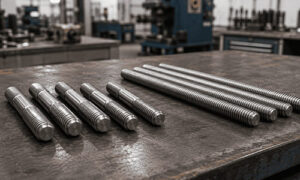

Under ASTM F3125, heavy hex structural bolts include the original A325 and A490 grades, which are divided into Type 1 (carbon/low-alloy steel) and Type 3 (weathering steel). Both types can appear in A325 and A490 grades and serve critical roles in structural applications, especially in environments where corrosion resistance is crucial. Let’s explore the key differences between Type 1 and Type 3 structural bolts, their coatings, and ideal usage scenarios.
1. What Is Type 1 Structural Bolt?
Material and Strength (Performance)
Type 1 Structural Bolts include A325 and A490 grade bolts made from medium carbon steel (A325) and high-carbon alloy steel (A490).
- A325 Type 1 bolts have a tensile strength of about 120 ksi, making them suitable for general construction, including bridges and steel structures.
- A490 Type 1 bolts offer a higher tensile strength of 150 ksi, making them ideal for more demanding applications, such as high-stress environments.
Structure and Geometry
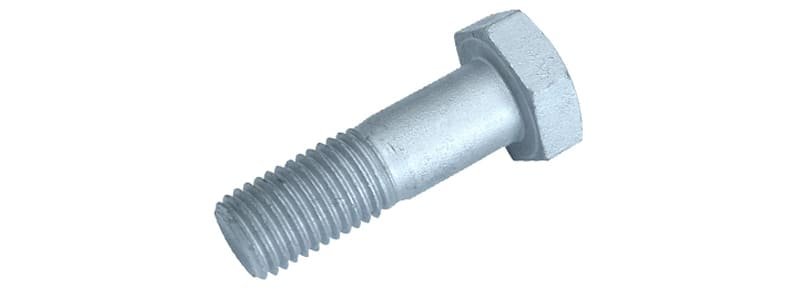
Type 1 structural bolts feature heavy hex heads and are paired with heavy hex nuts and hardened washers for friction-type or bearing-type connections. The thread length and smooth shank length are designed according to ASTM F3125 standards to optimize the shear plane and improve joint strength.
Corrosion and Salt Spray
Type 1 bolts are made from carbon or alloy steel, which lacks the self-protective rust layer of weathering steel. Therefore, they require coatings such as hot-dip galvanizing, mechanical galvanizing, or zinc-aluminum coatings to meet corrosion resistance standards. The exact salt spray test hours depend on the chosen coating system (e.g., F2329 hot-dip galvanizing or F1136 zinc-aluminum coatings). Typically, Type 1 bolts need additional coatings to meet project or OEM specifications for corrosion resistance.
Color and Appearance
The base material of Type 1 bolts is typically black or dark gray steel. After treatments like hot-dip galvanizing, the bolts take on a rough grayish-white zinc layer, while zinc-aluminum coatings appear as silver-gray or dark gray thin layers.
Development and Usage
A325 and A490 Type 1 bolts are used extensively in the U.S., Canada, and regions following AISC and RCSC guidelines. They are especially common in bridges, high-rise steel structures, and other heavy construction projects, making them a standard choice for engineering firms.
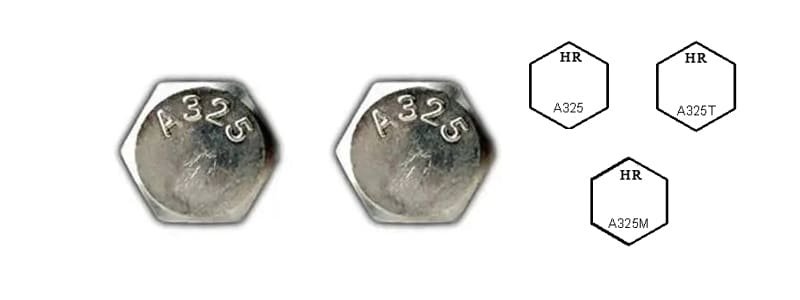
2. What Is Type 3 Structural Bolt?
Material and Characteristics
Type 3 bolts must be made of weathering steel (also known as Corten steel) with chemical properties that allow them to form a stable, protective rust layer when exposed to the atmosphere. Unlike Type 1, which needs a coating for corrosion protection, Type 3 relies on this self-healing rust to prevent further corrosion, making it particularly suitable for weathering steel structures.
Strength Rating
- A325 Type 3 bolts have a tensile strength of about 120 ksi, similar to Type 1 but with the added benefit of the weathering steel’s natural resistance to corrosion.
- A490 Type 3 bolts offer 150 ksi tensile strength, similar to Type 1, but with enhanced corrosion resistance due to the material’s self-protecting ability.
Appearance and Color
Type 3 bolts, made from weathering steel, develop a brownish-red rust layer over time, which provides a uniform appearance with the surrounding weathering steel beams or structures. This patina makes them visually integrate with other weathering steel components, particularly in bridges and landscape structures.
Corrosion and Salt Spray
Type 3 bolts are typically used in natural atmospheric environments and develop a slow, controlled rusting rate. They do not undergo extensive salt spray testing like Type 1, as the primary form of corrosion resistance comes from the self-formed rust layer. Salt spray testing requirements are often specified in the engineering design, but the focus is not on achieving extremely high salt spray hours.
Usage and Development
Type 3 bolts are commonly used in U.S., Canada, and regions employing weathering steel structures, such as bridges, scenic structures, and exposed steel frameworks. They are often found in regions with mild to moderate climates and low chloride exposure.
3. Approved Coatings for Type 1 Structural Bolts
For Type 1 structural bolts, various coatings are approved to enhance corrosion resistance. Common coatings include:
- Hot-Dip Galvanizing (ASTM F2329): Provides a thick, protective zinc coating for corrosion protection, typically used for A325 and F1852 bolts.
- Mechanical Galvanizing (ASTM B695): Offers a thinner coating but still ensures adequate corrosion resistance for A325 bolts.
For A490 Type 1 bolts, hot-dip galvanizing is not recommended due to the risk of hydrogen embrittlement. Instead, zinc-aluminum coatings such as those defined in F1136, F2833, and F3019 are recommended for corrosion protection.
4. Approved Coatings for Type 3 Structural Bolts
Type 3 bolts are made of weathering steel and typically do not receive thick coatings, as this would interfere with the natural rusting mechanism. While hot-dip galvanizing is not recommended, some projects may allow thin zinc-aluminum coatings (e.g., F1136 or F2833) for temporary protection during transportation or in environments where short-term protection is necessary.
5. Key Differences: Type 1 vs. Type 3 A325 Bolts
| Attribute | A325 Type 1 | A325 Type 3 |
|---|---|---|
| Material | Medium carbon steel | Weathering steel |
| Corrosion Resistance | Requires coatings like hot-dip galvanizing | Self-protecting rust layer |
| Coating Options | Hot-dip galvanizing, mechanical galvanizing, zinc-aluminum coatings | Typically used bare, some projects allow thin zinc-aluminum coatings |
| Ideal Environment | High humidity, marine climates, and environments requiring high corrosion protection | Alternating wet and dry, low chloride environments like inland bridges and landscapes |
| Appearance | Gray or white from coatings | Brownish-red patina from rust layer |
| Maintenance | May require re-coating or inspection in harsh environments | Lower maintenance in proper environments, but rust layer may degrade in high-chloride areas |
| Cost | Generally cheaper, additional costs for coatings | Higher material cost, but savings on coatings |
6. Marking Requirements for Type 1 and Type 3 Nuts and Washers
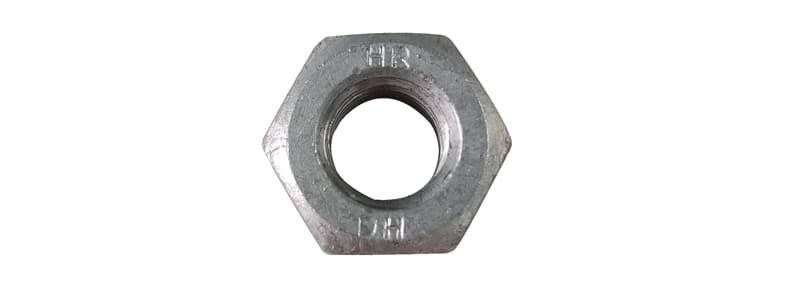
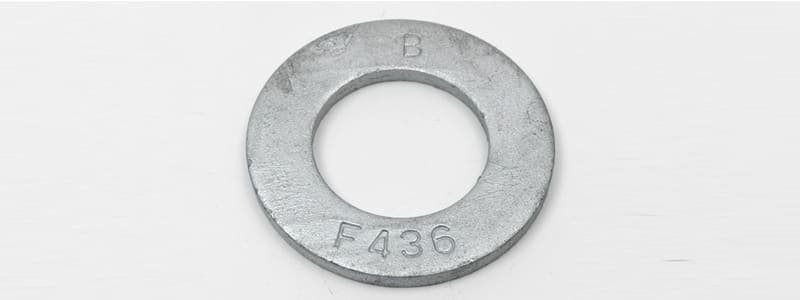
For nuts (ASTM A563) and washers (ASTM F436) used with A325 and A490 structural bolts, the head marking is required to ensure compatibility.
- Type 1 nuts are marked with “DH” for high-strength carbon/steel.
- Type 3 nuts include the “DH3” marking, indicating weathering steel.
Washers should be marked with the manufacturer’s logo and, for Type 3, the “3” marking to denote the weathering steel material.
7. When to Use Type 1 Structural Bolts vs. Type 3 Structural Bolts?
Type 1:
- Use Type 1 bolts in environments with high humidity, marine climates, or areas exposed to saltwater, where high corrosion resistance is required.
- Commonly used in steel structures, industrial buildings, and roofing systems that require galvanized or zinc-aluminum coatings.
Type 3:
- Type 3 bolts are ideal for structures made of weathering steel, like bridges and landscape structures, where the natural rust layer offers corrosion protection.
- Best used in inland regions with alternating wet and dry conditions and low chloride exposure.
8. Frequently Asked Questions (FAQ)
Q1: What is the primary difference between Type 1 and Type 3 structural bolts?
Type 1 bolts are made from carbon steel or alloy steel and require coatings like galvanizing for corrosion protection, while Type 3 bolts are made from weathering steel and rely on a natural rust layer for protection.
Q2: Can Type 1 and Type 3 bolts be used interchangeably?
No, they are designed for different environmental conditions. Type 1 bolts require protective coatings, while Type 3 bolts are used where the rust layer is part of the design for self-protection.
Q3: Are there specific environmental regulations for using Type 1 or Type 3 bolts?
Yes, Type 1 bolts typically meet RoHS and ELV standards for corrosion protection, while Type 3 bolts are used in regions with low chloride exposure, particularly in weathering steel structures.
Q4: Why can’t A490 Type 1 bolts be hot-dip galvanized?
A490 Type 1 bolts are made from high-carbon alloy steel, and the hot-dip galvanizing process involves heating the bolts to high temperatures, which can lead to hydrogen embrittlement in the steel. This risk of embrittlement can significantly compromise the strength and performance of the bolts, which is why A490 Type 1 bolts are not suitable for hot-dip galvanizing. Instead, zinc-aluminum coatings are used to provide corrosion resistance without the embrittlement risk.
Q5: What are the limitations of A490 Type 1 structural bolts?
The main limitation of A490 Type 1 bolts is their susceptibility to hydrogen embrittlement if hot-dip galvanized. This limitation restricts their use in environments where galvanizing is required for corrosion protection. Instead, alternative coatings like zinc-aluminum coatings are recommended to provide the necessary protection while maintaining the bolt’s strength.
9. Conclusion
So, the choice between Type 1 and Type 3 structural bolts depends heavily on the environment and application. Type 1 bolts are ideal for environments where corrosion protection is critical and coatings like hot-dip galvanizing are used, whereas Type 3 bolts are perfect for weathering steel structures that benefit from the self-healing rust layer. Understanding these differences ensures the right fastener is chosen for each project, maximizing performance and durability.