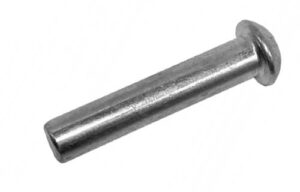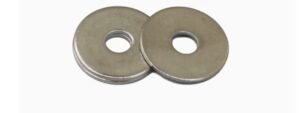

Are your fasteners constantly battling corrosion? If you need a cost-effective, long-lasting solution, GEOMET coating could be the answer. It’s a game-changer for industries dealing with challenging environments. Let’s dive into why GEOMET is a top choice for protecting fasteners. we also write about ruspert coating fastener and zinc nickel plating fastener.
What Is GEOMET Coating for Fasteners?
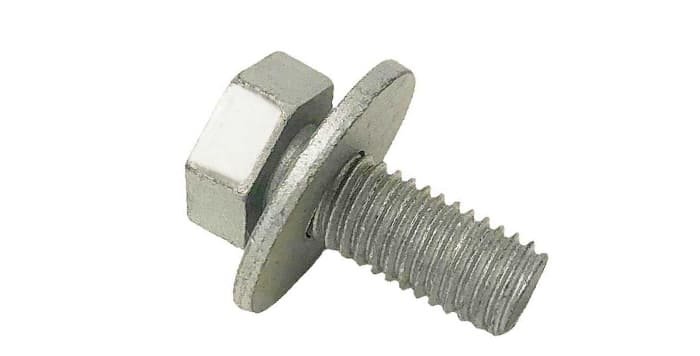
GEOMET is a water-based zinc-aluminum flake coating developed to offer high corrosion resistance without the use of chromium. It’s an environmentally friendly alternative to traditional zinc electroplating and Dacromet coatings. GEOMET is used for fasteners like bolts, nuts, self-tapping screws, and small steel components, providing excellent protection against corrosion, especially in demanding environments like automotive, construction, and heavy machinery.
- Structure: The coating consists of zinc-aluminum flakes suspended in a chromium-free binder, creating a protective, dense film. It is usually applied in a single layer or a base and topcoat combination.
- Color: Typically silver-gray or metallic gray, but other colors like black can be achieved with additional topcoats.
- Development: GEOMET was developed by NOF Metal Coatings, building on the success of Dacromet. It complies with global environmental standards, being chromium-free and water-based.
Types of GEOMET Coatings
GEOMET 321 is a non-electrolytic, water-based coating made from a thin film of zinc and aluminum flakes. This coating offers excellent corrosion protection for fasteners without the use of chromium (both Cr6 and Cr3), making it RoHS compliant and meeting the requirements of EU Directives 2000/53/CE and 2002/95/CE. As an alternative to traditional Dacromet coatings, GEOMET 321 ensures no hydrogen embrittlement, preventing the risk of cracking in high-strength fasteners. Typically applied in 6-12 μm thickness, it provides reliable corrosion resistance in moderately aggressive environments. It’s commonly used in industries like automotive and construction where fasteners are exposed to moderate corrosive conditions.
GEOMET 500 is a self-lubricating basecoat designed for applications where friction control is essential. This version of GEOMET includes lubricants within the coating, providing a controlled friction coefficient in the range of 0.12 to 0.18. It’s ideal for automotive, wind energy, and structural applications where precise torque and pre-tightening forces need to be controlled. Like GEOMET 321, GEOMET 500 eliminates hydrogen embrittlement, ensuring reliability for high-strength fasteners. Typically applied in 8-15 μm thickness, it offers a balance of corrosion protection and friction management for a variety of industrial applications.
GEOMET 720 provides enhanced corrosion resistance compared to other GEOMET coatings. With a salt spray resistance that often exceeds 1,000 hours without red rust, it is designed for severe environments where fasteners face continuous exposure to moisture, salt, and harsh chemicals. Ideal for automotive, construction, and heavy-duty machinery, GEOMET 720 is typically applied in 8-15 μm thickness. This coating ensures that fasteners maintain durability and resilience, even in the most demanding environments.
GEOMET 250 is a highly durable coating, designed for industrial applications requiring superior salt spray resistance and long-term durability. It’s particularly well-suited for use in automotive manufacturing, agricultural equipment, and high-strength fasteners that face challenging conditions. This coating offers excellent corrosion protection and is available in a variety of colors, allowing for aesthetic applications in industries where appearance matters. Typically applied in 8-12 μm thickness, GEOMET 250 ensures strong performance in environments with high exposure to moisture and chemicals.
Together, GEOMET 321, GEOMET 500, GEOMET 720, and GEOMET 250 provide a versatile range of coatings that offer excellent corrosion protection, friction control, and durability. These coatings are designed to meet the specific needs of various industries, ensuring fasteners perform reliably and efficiently in even the most demanding environments.
How GEOMET Coating Protects Fasteners?
GEOMET coating works using a combination of sacrificial protection and barrier protection:
- Sacrificial Protection: The zinc-aluminum flakes corrode before the steel substrate, providing protection even when the surface is scratched or damaged.
- Physical Barrier: The overlapping flakes create a shield that limits the penetration of water, oxygen, and ions, protecting the underlying fastener.
- No Hydrogen Embrittlement: Unlike electroplating, GEOMET’s water-based process eliminates the risk of hydrogen embrittlement, which can weaken high-strength fasteners.
When Should You Choose GEOMET Coating?
Choose GEOMET when you need corrosion protection but don’t want the thickness and weight of traditional coatings like hot-dip galvanizing. It’s ideal for fasteners in automotive, construction, and industrial machinery applications where you require:
- High corrosion resistance in confined spaces or where precise torque is needed.
- Hydrogen embrittlement prevention in high-strength fasteners (like 8.8/10.9/12.9 grade).
- Environmentally friendly solutions that meet RoHS and REACH regulations.
The Advantages of GEOMET Coating
Thin Coating
Achieves high corrosion resistance with minimal coating thickness (6-15 μm), which doesn’t compromise thread accuracy or performance.
No Hydrogen Embrittlement
Ideal for high-strength fasteners, preventing issues that can arise from traditional electroplating.
Eco-friendly
Chromium-free, water-based, and compliant with global environmental standards, such as RoHS and REACH.
Controllable Friction
Can be used with lubricants to control friction coefficients, making it suitable for applications that require precise torque and pre-tightening.
Bimetallic Compatibility
Great for mixed-metal assemblies, reducing the risk of galvanic corrosion when in contact with materials like aluminum.
Stages of the GEOMET Treatment Process
The GEOMET treatment process involves several key stages that ensure fasteners are coated with a durable, corrosion-resistant layer. Here’s an overview of the stages in the process:
Surface Preparation
The fasteners undergo surface cleaning, which may include processes like shot blasting, alkaline washing, or abrasive cleaning. This step ensures that the surface is free of contaminants, allowing the GEOMET coating to bond effectively with the metal.
Coating Application
The GEOMET coating is applied to the fasteners using dip-spin, spray, or dip-dry-spin methods. During this stage, zinc-aluminum flakes are dispersed in a chromium-free binder and applied uniformly across the fastener surface.
Curing
After application, the fasteners are heated to cure the coating. The curing process ensures that the coating forms a dense, protective layer that adheres tightly to the fastener, providing long-lasting corrosion resistance.
Topcoat (Optional)
For certain applications, a topcoat may be applied to further enhance the coating’s properties, such as improving friction control or adding specific colors. This stage allows the coating to meet both performance and aesthetic requirements.
About GEOMET Coating – Questions to Ask Your Fastener Supplier
When selecting GEOMET-coated fasteners, here are some key questions to ask your supplier:
- What is the typical coating thickness and weight for your GEOMET products?
Ensure the coating thickness aligns with the required salt spray performance and durability standards for your specific application. Typical coatings range from 6 to 15 μm in thickness. - Does your GEOMET coating meet environmental compliance standards?
Make sure the coating is chromium-free and meets RoHS or REACH compliance for your region or industry. - How do you control the friction coefficient of GEOMET-coated fasteners?
Inquire about the ability to manage friction coefficients (e.g., 0.12–0.18) for precise torque and pre-tightening in applications like automotive or wind energy.
Frequently Asked Questions (FAQ)
Q1: What is the cost of GEOMET coating?
The cost of GEOMET coating can vary depending on factors like the fastener size, coating thickness, and production volume. However, it generally provides a cost-effective solution compared to stainless steel or traditional coatings, considering its high corrosion resistance and environmentally friendly properties.
Q2: How does GEOMET compare to traditional zinc plating?
GEOMET provides much better corrosion resistance than zinc plating, especially in harsh environments. It also eliminates the hydrogen embrittlement risk associated with zinc electroplating, making it ideal for high-strength fasteners.
Q4: Will GEOMET affect the fit of fastener threads?
No, the thin coating of GEOMET ensures that it won’t affect thread fit or compromise tightening performance, making it perfect for precision applications.
Q5: Can GEOMET be welded?
Welding is not recommended for GEOMET-coated fasteners, as it can burn off the coating and create fumes. Post-weld re-coating is needed for proper protection.
Contact Hengrui Fastener for Custom GEOMET Coating Fastener
GEOMET coating is a high-performance, environmentally friendly solution that provides exceptional corrosion resistance for fasteners. It’s perfect for automotive, construction, and industrial machinery applications, offering thin coatings, hydrogen embrittlement protection, and adjustable friction coefficients. With its excellent durability, eco-friendly properties, and high corrosion resistance, GEOMET should be a top choice for anyone looking to protect fasteners in challenging environments.
For specialized applications that require custom solutions, Hengrui Fastener offers high-quality, customizable bolts and fasteners. Whether you need a specific size, material, or finish, Hengrui can provide tailored fasteners to meet your exact requirements. Contact Hengrui Fastener to learn more about our products and services.