
Are your fasteners facing constant corrosion in harsh environments? Magni coating could be the solution you need. Designed for industries like automotive and industrial machinery, it offers high corrosion resistance without the risk of hydrogen embrittlement. Let’s dive into why Magni coating stands out. we also write about ruspert coating fastener, GEOMET Coating fastener , 8 Types of Bolt Surface Treatments and zinc nickel plating fastener.
1. What Is Magni Coating for Fasteners?
Magni coating is a high-performance zinc-flake coating system developed to provide superior corrosion resistance for fasteners, primarily used in automotive and industrial applications. It utilizes a duplex system consisting of a zinc-aluminum flake basecoat and an organic or inorganic topcoat, providing a strong defense against corrosion. The coating is applied through a non-electrolytic process, ensuring there’s no hydrogen embrittlement, which is a common issue with electroplated coatings.
Magni coating offers excellent corrosion resistance, with performance in salt spray tests reaching 720–1500 hours depending on the coating thickness. It is Cr6+ free and meets global environmental standards like RoHS and REACH. Common colors include silver-gray (Magni 560/565) and black (Magni 575), with other colors available through topcoat adjustments. This coating is widely used in industries where high-strength fasteners are essential, such as in automotive chassis, braking systems, and suspension parts.
2. Magni Coating Types
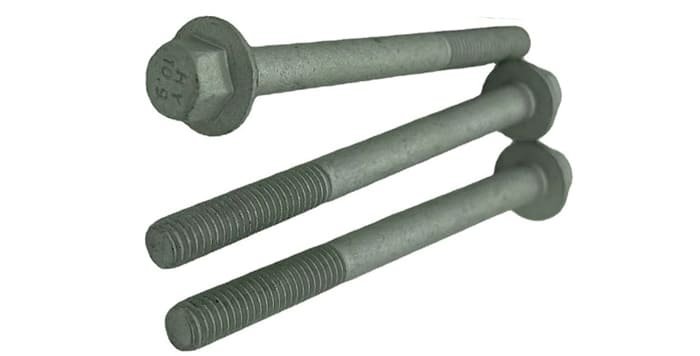
Magni coatings offer several variations, each designed to meet specific performance requirements for different applications. The Magni 500 series includes several key types, each with its unique benefits and uses.
Magni 560 is a silver-gray coating that provides excellent corrosion resistance, making it a popular choice in automotive and industrial applications where durability and environmental compliance are crucial. This coating is highly effective in harsh environments and is designed to protect fasteners while maintaining their performance over time.
Magni 565 is also a silver-gray coating but is specifically designed as a duplex system, offering high corrosion resistance with a thin film. It is perfect for situations where precise torque and thread accuracy are essential, such as in automotive fasteners or small components that require consistent assembly performance.
For applications that demand both corrosion protection and a pleasing aesthetic finish, Magni 575 provides a black coating that not only offers excellent protection but also a visually appealing look. This coating is commonly used in areas like automotive chassis and suspension components, where both performance and appearance are important. To explore more about industrial coatings and their applications, check out this industrial coatings guide by the American Coatings Association.
3. How Magni Coating Protects Fasteners?
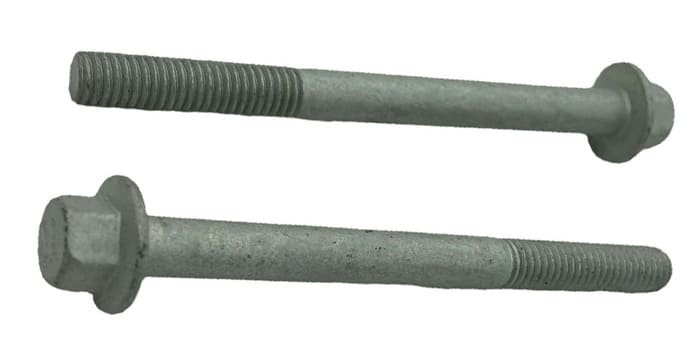
Magni coating provides protection through a combination of sacrificial protection and shielding. The zinc-aluminum flakes in the basecoat corrode first, protecting the steel beneath. This sacrificial action ensures that even when the coating is damaged, the fastener remains protected. The flakes form a fish-scale pattern that increases the distance corrosion agents must travel to reach the steel, providing barrier protection. The topcoat adds an additional physical barrier, enhancing the fastener’s resistance to acids, alkalines, and road salts, making it ideal for automotive components exposed to harsh conditions.
Magni’s non-electrolytic process also eliminates the risk of hydrogen embrittlement, which is a significant concern with traditional zinc plating. Additionally, the topcoat can be designed to control friction, ensuring consistent torque and preload during assembly.
4. When Should You Choose Magni Coating?
You should choose Magni coating in the following scenarios:
- High corrosion resistance is required: When you need 720-1000+ hours of neutral salt spray resistance but cannot afford a thick coating that would affect thread fit or hole dimensions, Magni’s thin film provides high corrosion protection without compromising precision.
- High-strength fasteners (e.g., ISO 898 10.9, 12.9 grades): When there is a need to avoid hydrogen embrittlement (a risk with traditional zinc plating) but still require high corrosion resistance for high-strength fasteners used in demanding conditions such as chassis, suspension, and braking system fasteners.
- Long-term exposure to harsh environments: Magni is ideal for carbon steel fasteners used in automotive, construction machinery, wind energy, petrochemical equipment, ports, and marine environments where fasteners are exposed to moisture, salt spray, and chemical environments over extended periods.
Avoid using Magni in:
- Extreme chemical environments (strong acids or bases), where more specialized coatings are required.
- Extremely high-temperature environments, as the coating may not withstand temperatures beyond 300°C.
5. The Advantages of Magni Coating
Magni offers several advantages over traditional coatings, especially for fasteners in critical applications:
- High Corrosion Resistance: Magni provides superior protection against corrosion in salt spray tests, with thin coatings (13-18 μm) that still achieve 720–1500+ hours of protection.
- No Hydrogen Embrittlement: Since the process is non-electrolytic, there’s no risk of hydrogen embrittlement, making it ideal for high-strength fasteners.
- Thin and Uniform Coating: The coating is thin and uniform, ensuring it doesn’t affect thread performance or precise fit.
- Eco-friendly: Cr6+ free, compliant with RoHS, REACH, and other environmental standards, making it ideal for global OEM applications.
- Friction Control: The ability to adjust the friction coefficient via the topcoat makes it easier to control torque and preload, improving assembly consistency.
- Excellent Compatibility with Bimetallic Assemblies: It reduces bi-metallic corrosion when in contact with other metals like aluminum.
The key comparison of Magni with several common coatings on fasteners:
| Item | Magni zinc-flake | Electroplated Zinc | Hot-Dip Galvanizing | General Powder Coating |
|---|---|---|---|---|
| Coating Type | Non-electrolytic zinc-flake + topcoat duplex system | Electroplated zinc | Hot-dip galvanizing | Thermoset organic coating |
| Common Salt Spray Resistance | ≥720–1500 h (thin film 13–18 μm) | Typically 72–240 h (depending on thickness and passivation) | Up to several hundred to over a thousand hours | Generally moderate, easily damaged by stones |
| Hydrogen Embrittlement Risk | No (non-electrolytic, suitable for high-strength fasteners) | Yes (requires baking to remove hydrogen) | No (during hot-dip process) | Generally no |
| Coating Thickness & Size Impact | Thin and uniform, minimal impact on thread size | Thin | Thick, threads may require re-tapping | Thicker, sensitive to dimensional tolerances |
| Color / Appearance | Silver-gray, black, etc., controllable friction coefficient | Blue-white, multicolor | Gray-white, rough | Wide range of colors, good appearance |
| Environmental Regulations | Cr6+ free, compliant with RoHS/ELV | Depends on passivation system | Generally compliant | Generally compliant |
6. About Magni Coating – Questions to Ask Your Fastener Supplier
When discussing Magni coating with your supplier, ask the following questions to ensure you get the best performance:
- Which Magni system are you using?
Are you using Magni 560/565 or another variant, and what are the differences in performance? - What is the typical coating thickness and salt spray resistance?
Ask about coating thickness, salt spray performance, and whether it meets ASTM B117/ISO 9227. - Can the friction coefficient be controlled?
Does the topcoat integrate lubricants to adjust the friction coefficient for consistent torque and preload? - Is the coating compliant with environmental standards?
Does it meet RoHS, REACH, and other industry-specific environmental regulations? - Can you provide certification for the performance of the coating?
Do you have third-party test results or OEM approval?
7. Frequently Asked Questions (FAQ)
Q1: What is the cost of Magni coating?
The cost varies based on the fastener size, coating thickness, and production volume. However, Magni is cost-effective due to its long-term corrosion resistance, reducing the need for frequent replacements.
Q2: How does Magni compare to traditional zinc plating?
Magni offers superior corrosion resistance, especially in harsh environments, and eliminates the hydrogen embrittlement risk that can affect high-strength fasteners with electroplating.
Q3: Can Magni be used for high-temperature applications?
Magni coating can withstand temperatures up to 300°C. For applications exceeding this, alternative coatings should be considered.
Q4: Will Magni affect the thread performance?
No, the thin coating of Magni ensures that it won’t affect thread fit or tightening performance, making it ideal for precise applications.
Q5: Can Magni be welded?
Welding Magni-coated fasteners is not recommended as it can burn off the coating. Post-weld re-coating is needed for protection.
Contact Hengrui Fastener for Custom Magni Coating Fastener
Magni coating offers a high-performance, environmentally friendly solution for fasteners, providing exceptional corrosion resistance without the risk of hydrogen embrittlement. Its thin coating and friction control make it ideal for automotive, wind energy, and industrial machinery applications. When you need long-lasting protection for your fasteners and precise assembly performance, Magni coating is a reliable choice. Whether you are in automotive manufacturing or working with high-strength fasteners, Magni will help ensure your fasteners perform in even the most challenging environments.
For specialized applications that require custom solutions, Hengrui Fastener offers high-quality, Customizable Magni Coating Fastener. Whether you need a specific size, material, or finish, Hengrui can provide tailored fasteners to meet your exact requirements. Contact Hengrui Fastener to learn more about our products and services.